You built the site, you shared it, and the visitor count sits near zero. Low traffic almost always has a cause you can find. Here are the ten most common, how to check each one, and what to do about it.
By RankNovo Editorial Team
5 min read
Key takeaways
Check your tracking and Search Console first: sometimes the visitors are there and you just can't see them.
Most low traffic comes from pages Google can't see, keywords nobody searches, or too few useful pages.
Aim for specific searches with a buyer behind them, and build the type of page that already ranks.
Search traffic grows over months, so add or improve one useful page a week and track it monthly.
How much traffic do you actually need?
Work backwards from the enquiries you want.
Traffic problems feel vague, but they usually fall into a few groups. Either nobody can find the site, the site doesn't match what people search for, it's too thin or too slow to deserve a ranking, or it depends on a single source of visitors. Before you change anything, find out which group you're in.
1. Make sure the traffic is really missing
Sometimes the visitors are there and you can't see them. A missing or broken analytics tag, your own visits being counted, or a filter hiding real traffic can all make a healthy site look dead. The reverse happens too: a spike of bot traffic can make a poor site look busy.
How to fix it
Open Google Analytics and Google Search Console side by side. Search Console shows real clicks from Google, no matter what your tracking says. If Search Console shows clicks and Analytics shows none, your tracking is broken. Test it by visiting your own site on your phone and watching the real-time report.
2. Google may not be able to see your pages
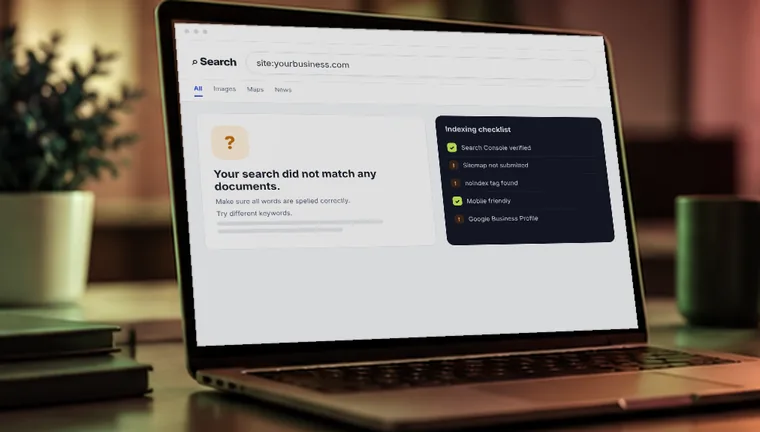
If your pages aren't in Google's index, they can't bring in search visitors. A new site, a blocked setting left over from development, or a missing sitemap are all common causes.
How to fix it
Type site:yourwebsite.com into Google. No results means a crawling or indexing issue. Check that search engines aren't blocked in your site settings, submit your sitemap in Search Console, and request indexing for your main pages. Our guide to why a website isn't showing on Google goes through this in detail.
3. You're aiming at searches nobody makes, or ones you can't win yet
It's easy to pick keywords by guessing. If you target "best digital marketing" with a brand-new site, you're up against giants and you'll get nowhere. If you target a phrase nobody types, you'll rank first and still get no visitors.
How to fix it
Aim for specific searches with a clear need, such as "emergency plumber in Leeds" instead of "plumbing". Use Google's autocomplete and the "People also ask" box to see what real people type. Free tools show approximate monthly searches, but treat the numbers as a rough guide. A phrase with a few hundred searches a month and a buyer behind it is worth more than a famous phrase you'll never rank for.
4. Your pages don't match what the searcher wants
Google tries to show the kind of page people are looking for. If someone searches "how much does a website cost" and the top results are all guides with price ranges, your sales page with no prices won't break in. Likewise, a long article won't rank for a search where people want a simple service page.
How to fix it
Search your target phrase and study the first page. Are the results guides, service pages, lists, or product pages? Build the type of page that's already winning, then make yours clearer, more complete, and more useful.
5. You simply don't have enough pages
A site with a home page, an about page and a contact page gives Google very little to rank. Every service, location and common question is a chance to show up for a different search.
How to fix it
Create one page for each service you sell, and one for each place you serve if that matters to your customers. Then add pages that answer the questions buyers ask before they contact you: costs, timelines, comparisons, problems and fixes. Link these pages to each other so visitors and Google can move between them.
6. Your content is thin, generic or copied
Pages with a couple of short paragraphs, text lifted from suppliers, or wording that could apply to any business have little reason to rank. Google would rather show the page that explains something best.
How to fix it
Make each important page properly useful. Explain what you do, who it's for, how it works, what it roughly costs, and what happens next. Add real photos, examples and short answers to the questions people ask. Write from actual experience. Your own detail is what competitors can't copy.
7. The site is slow or awkward on a phone
Most searches happen on mobile. Large uncompressed images, too many plugins and cluttered layouts make pages slow, and visitors leave before they read anything. That hurts both results and sales.
How to fix it
Run your main pages through Google's PageSpeed Insights and follow the top suggestions. Compress images, remove plugins you don't use, and test on your own phone with a normal mobile connection. Make buttons easy to tap and text easy to read without zooming.
8. No one else vouches for you
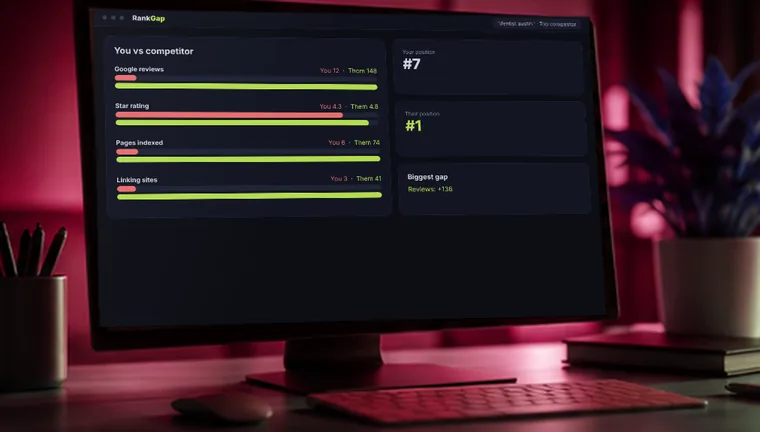
Search engines treat links and mentions from other trusted sites as votes of confidence. A brand-new site with none will usually sit below older competitors, even when its content is good.
How to fix it
Build credibility honestly. Get listed in respected directories for your industry and area. Ask suppliers, partners and local organisations to mention you. Publish something worth sharing, like a useful guide or local data. Skip bulk link packages. They can cause lasting damage.
9. You're depending on one source
Search takes time, and waiting for it with no other channels leaves you with nothing meanwhile. Strong sites usually get visitors from several places at once.
How to fix it
Set up and complete your Google Business Profile if you serve a local area. Share useful posts where your customers already spend time. Collect email addresses and send something worth reading. Ask happy customers for referrals and reviews. If you need visitors sooner, a small, well-targeted paid campaign can fill the gap while search builds.
10. You stopped too early
New sites rarely take off in a few weeks. Search engines need time to find your pages, test them, and decide you're trustworthy. Many owners publish a few pages, see nothing, and quit just before things would have started to move.
How to fix it
Treat it as a steady habit. Set a simple routine, such as one new useful page or update per week, and track progress monthly in Search Console: impressions first, then clicks, then enquiries. Rising impressions with few clicks means your titles need work. Rising clicks with no enquiries means the page needs work. Both are good signs because they give you something to fix.
How long before traffic grows?
If something was blocking your site, fixing it can bring visitors within days or weeks. Growing steady traffic for competitive searches usually takes a few months of consistent work. Anyone who promises a flood of visitors in a week is guessing or cutting corners.
What to do this week
Confirm your tracking works, check that your pages are indexed, list the five searches a customer would type to find you, and write or improve the page for the most valuable one. That alone is a better start than most sites make in their first year.
Frequently asked questions
Looks don't affect rankings much. Visibility depends on whether Google can find your pages, whether they match real searches, and whether other sites trust you.
No. Search traffic is free, though it takes time and effort. Paid ads can bring visitors faster but stop when you stop paying.
It varies by industry and area. Instead of a target number, work backwards from the enquiries you want, as in the calculator above.
For people actively searching for what you sell, search usually brings more ready buyers. Social is better for building awareness and staying in touch. Many businesses use both.
Free website audit
Get your free traffic audit
Tell us where to look. A RankNovo strategist reviews your site and replies within 24 hours with what's holding you back and what to fix first. No contract, no pressure.
A 15-point review of your rankings, site speed, AI search visibility and quick wins, delivered to your inbox within 24 hours.
We value your privacy. We use cookies to understand how visitors use our site and to improve our marketing. You can accept or reject them; the site works either way. Privacy Policy